The comparison
A folklore night or a Casco Viejo legends walk: which Panama City evening?
Two ways to spend a Panama City evening in the same old quarter: a seated folkloric show with a rooftop view, or a guided walk through the streets' legends. Where they differ and who each suits.
Reserve your evening ↗Quick answer
Choose the folklore night if you want to see the pollera, hear live music and finish seated, in a group of six or fewer. Choose the legends walk if you want the streets and their stories on foot, and a rating built on far more reviews. A stay of two or more evenings can fit both, since they cover the same quarter in different ways.
The two evenings side by side
| Folklore night | Legends walk | |
|---|---|---|
| Format | Vehicle transfers, a rooftop stop and a folkloric show | A guided walk through the old quarter, going by its title |
| Rating | 5.0, from 29 reviews | 4.8, from roughly 830 reviews |
| Group | At most six guests | Check the booking page |
| Seating | Reserved seats at the show | On foot; check the booking page |
| Performance | Costumed dancers and live music | None; the guide tells stories |
| Meal | One drink included; dinner optional and paid | Check the booking page |
| Weather | The rooftop stop is outdoors; your confirmation names the show venue | Outdoors, so rain and heat matter |
| Pays off for | People who want to see folk culture performed | People who want the quarter's stories |
Two evenings, one neighbourhood
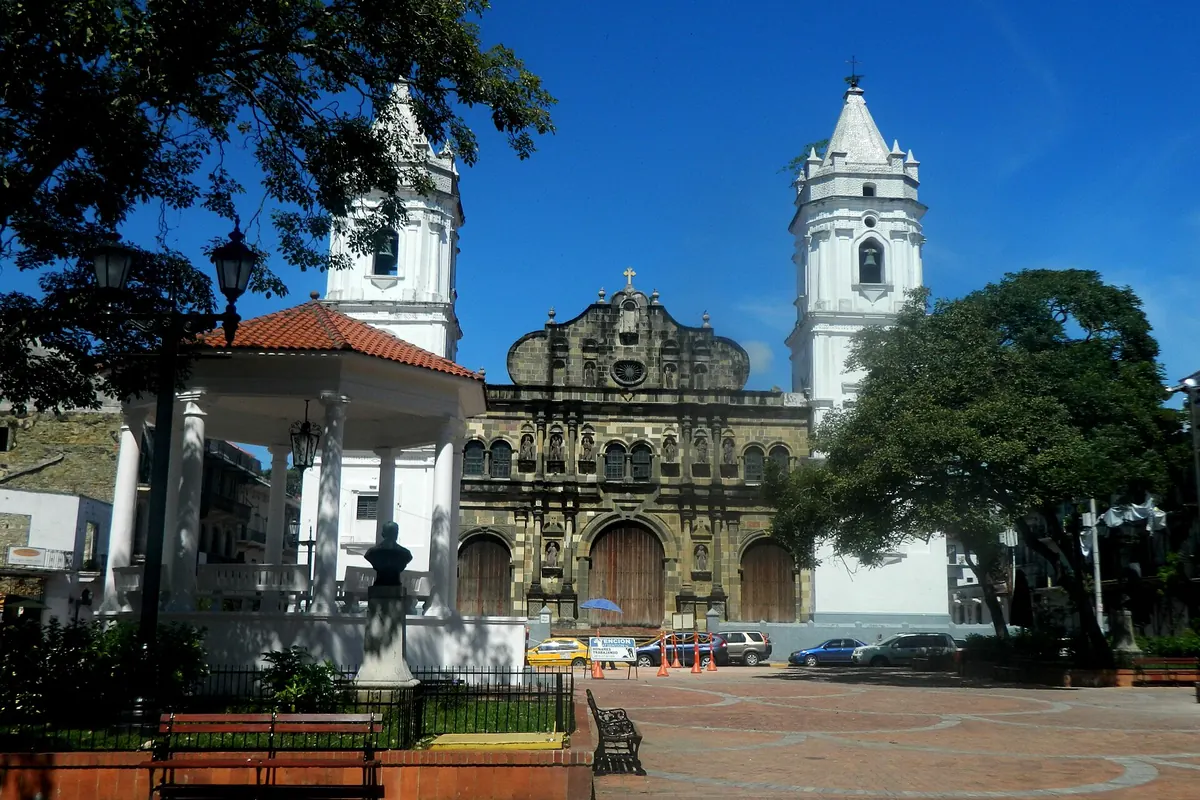
Both bookings centre on Casco Viejo, the old quarter that Wikipedia says was completed and settled in 1673 on a peninsula cut off by the sea. The difference is how you meet it. The folklore night treats the quarter as a stage: you arrive, sit and watch costumed dancers. The legends walk, going by its title, treats it as a storybook: you move from corner to corner while a guide tells what happened there. One gives you a performance, the other gives you the streets.
Sitting versus walking
The folklore night is mostly seated. Reserved seating at the show, a vehicle for the transfers and a viewpoint stop mean you spend little time on your feet. The legends walk is on foot, so comfortable shoes and a tolerance for heat and rain matter. Neither is better for everyone. If your evening already includes a long day of sightseeing, the seated option is kinder to the legs; if you want to stretch them after hours in a plane or a car, the walk is.
What each shows you of Panama
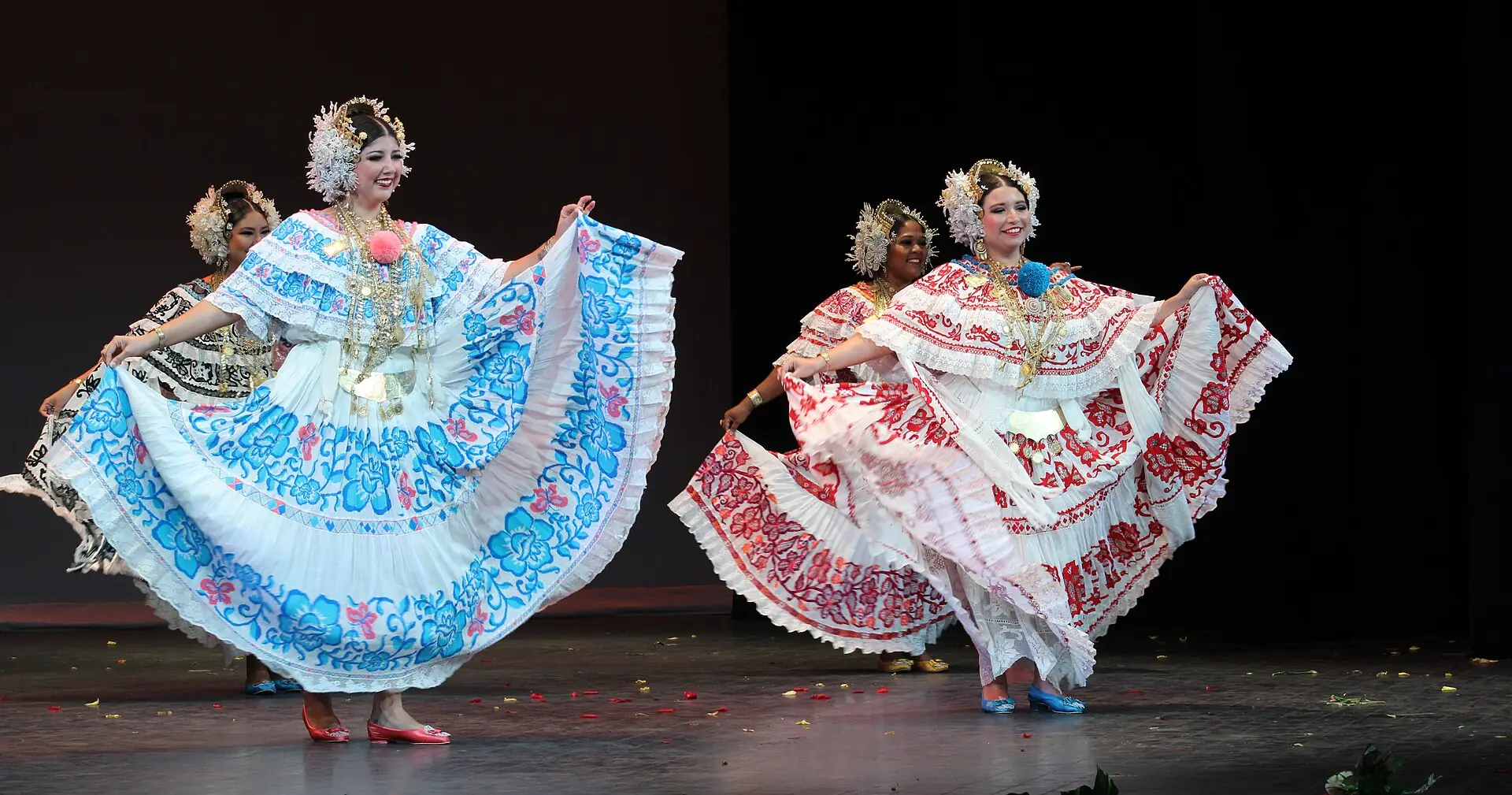
The folklore night shows you Panama's living folk culture: the pollera, which Wikipedia calls the national folk costume, and the music and dance that go with it, among them the tamborito, which the same encyclopaedia names the national song and dance. The legends walk shows you the old quarter's past through stories. Together they cover costume and place. Alone, the folklore night is about people and tradition; the walk is about streets and memory.
Group size and ratings
The folklore night is capped at six guests and holds 5.0 from 29 reviews. The legends walk holds 4.8 from roughly 830 reviews. A perfect score from a small sample and a very good score from a large one tell you different things: the first says the early guests loved it, the second says a great many people did. If you give weight to the volume of feedback, the walk has the firmer record; if you give weight to the size of the group, the folklore night has the edge.
Food, drink and the bill
The folklore night includes one traditional drink on the rooftop, with dinner optional and paid at the restaurant. That keeps the ticket simple and the meal your choice. The legends walk's inclusions are on its own booking page, so read them before you compare totals. Because each shows its own price in the calendar, add up what you actually intend to buy: ticket, any dinner, any extras such as the rooftop's glass floor, zipline or swing.
Weather and comfort
You are outside for the entire walk, so rain, heat and humidity set the mood. The folklore night is mostly seated, though the rooftop stop is outdoors and the evening air can feel different there. A light layer and comfortable shoes are sensible for both. For either, check your confirmation for what the group is advised to bring.
What the walk cannot give you
A walk, however good, cannot put costumed dancers in front of you or seat you with a drink above the city lights. If seeing the pollera worn and moving is your reason for coming to Panama City, only the folklore night does that. Wikipedia describes the pollera as the national folk costume, one of the most elaborate traditional garments in the Americas, and a stage is where it looks its best.
What the folklore night cannot give you
The folklore night cannot take you down every street, and it does not promise a long, on-foot history of the quarter. Its guide tells the story of the city as the group travels, but the evening is built around a show, not a stroll. If your priority is to wander Casco Viejo's plazas and learn which building is which, the walk gives you far more of that.
Language and pace
The folklore night is led by a licensed guide who speaks English and Spanish, and the show itself is music and dance, which need little translation. The walk's guide language is chosen on its own booking page, so confirm it before you book. As for pace, the folklore night moves by vehicle between stops and settles into a seat; the walk moves at walking speed with the group. If anyone in your party tires easily or dislikes standing, that difference may decide the matter for you.
Three questions to ask yourself
First: do I want to see something performed, or to hear something explained? A show suits the first wish, a walk the second. Second: how many people am I travelling with? A group of six or fewer fits a party of two to four comfortably, and a larger party may need to check the calendar for spare places. Third: how much do I want to decide on the night? The folklore night leaves dinner to you, while the walk's inclusions are on its page.
Booking pressure
A six-guest cap makes the folklore night the tighter of the two. Popular evenings fill, and a missing date on the calendar is the usual sign. The walk, with a much larger review base behind it, is the one more likely to have a place on short notice, though that is for its calendar to show. Both list free cancellation, so you can reserve one and swap if plans change; read the cut-off on your own booking.
A sample two-evening plan
For a trip of several nights, one workable pattern is to take the walk on your first evening, to learn the quarter's layout and its stories, and the folklore night on a later one, when the streets are familiar and you are ready to sit and watch. Reverse them if you prefer to see the dancers first. Space them a day apart if possible; a canal half-day or the Embera village day on the cards fills it.
How to choose
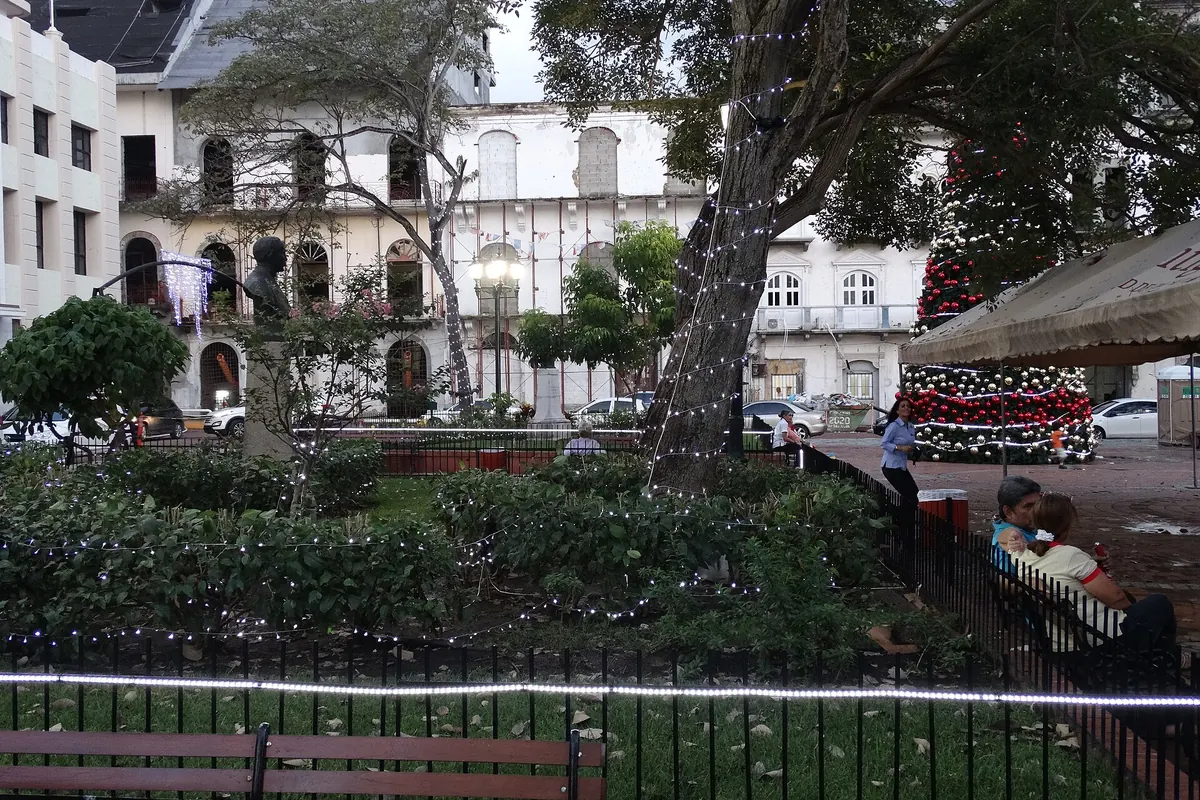
Pick the evening you want to have, not the star rating. If you want to be entertained and to see the pollera in motion, book the folklore night. If you want to learn the streets and the tales behind them, book the walk. If you cannot choose, let the forecast and your energy decide: a seated show asks less of you than a walk, and a walk gives more of the streets than a show can.
Frequently asked questions
Which one first, on arrival night?
The legends walk suits an arrival night if you want to learn the quarter. The folklore night is better once you are rested and ready to sit and watch.
Could I do both?
Yes, on separate evenings. Each booking page shows free cancellation; the cut-off is on your own booking.
Which is better in the rain?
The walk is outdoors throughout, so rain matters most there. The folklore night is mostly seated, though the rooftop stop is outdoors.
Sources